
The Hood Huggers Ecosystem
The Hood Huggers' Story
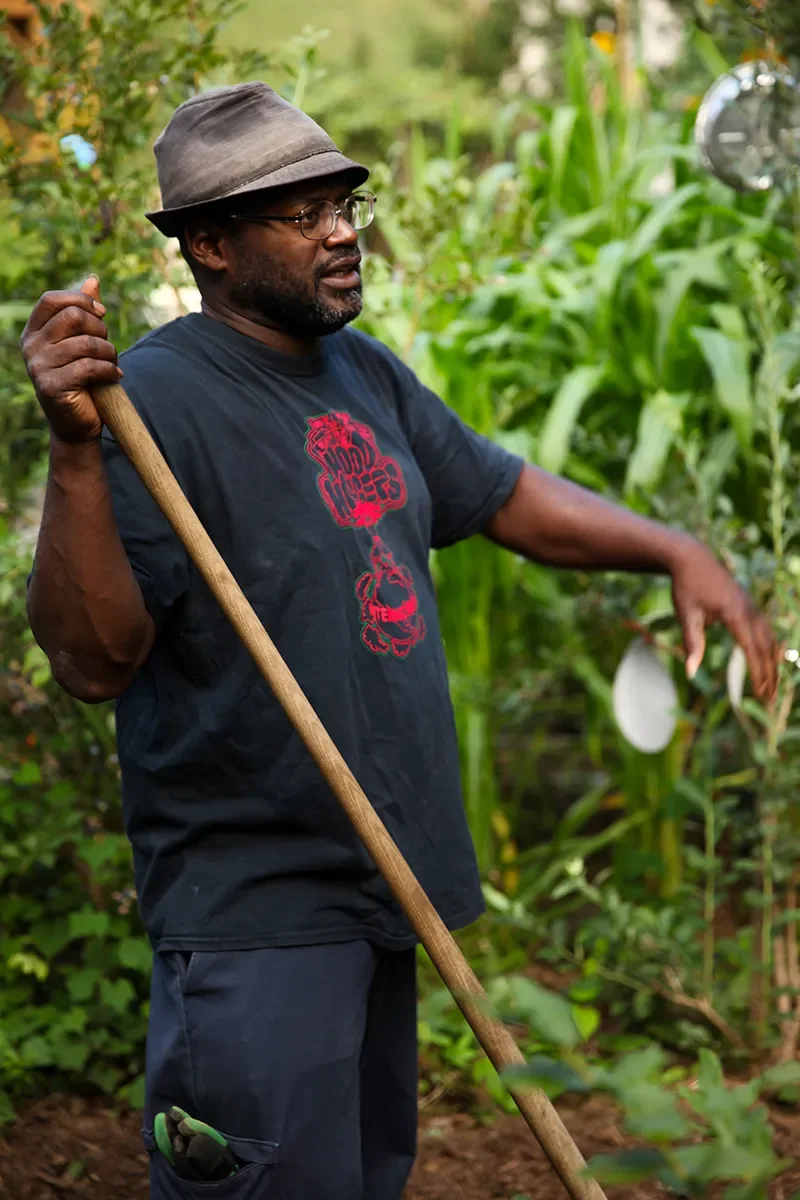
When DeWayne “B-Love” Barton returned to Asheville’s Burton Street neighborhood in 2001, he thought he was simply coming home. He didn’t yet know that his return would grow into a mission to turn trauma into transformation through art, healing, and community.
That move was both a new beginning and a homecoming. Barton had lived there until he was seven. Surrounded by rich community history, he and his partner, Safi Mahaba, found few green spaces and noticed that neighborhood kids, with limited positive outlets, were spending time on the streets, some drawn into unsafe situations. That realization sparked an effort that would evolve into a movement for renewal.
Planting the Seeds of Renewal
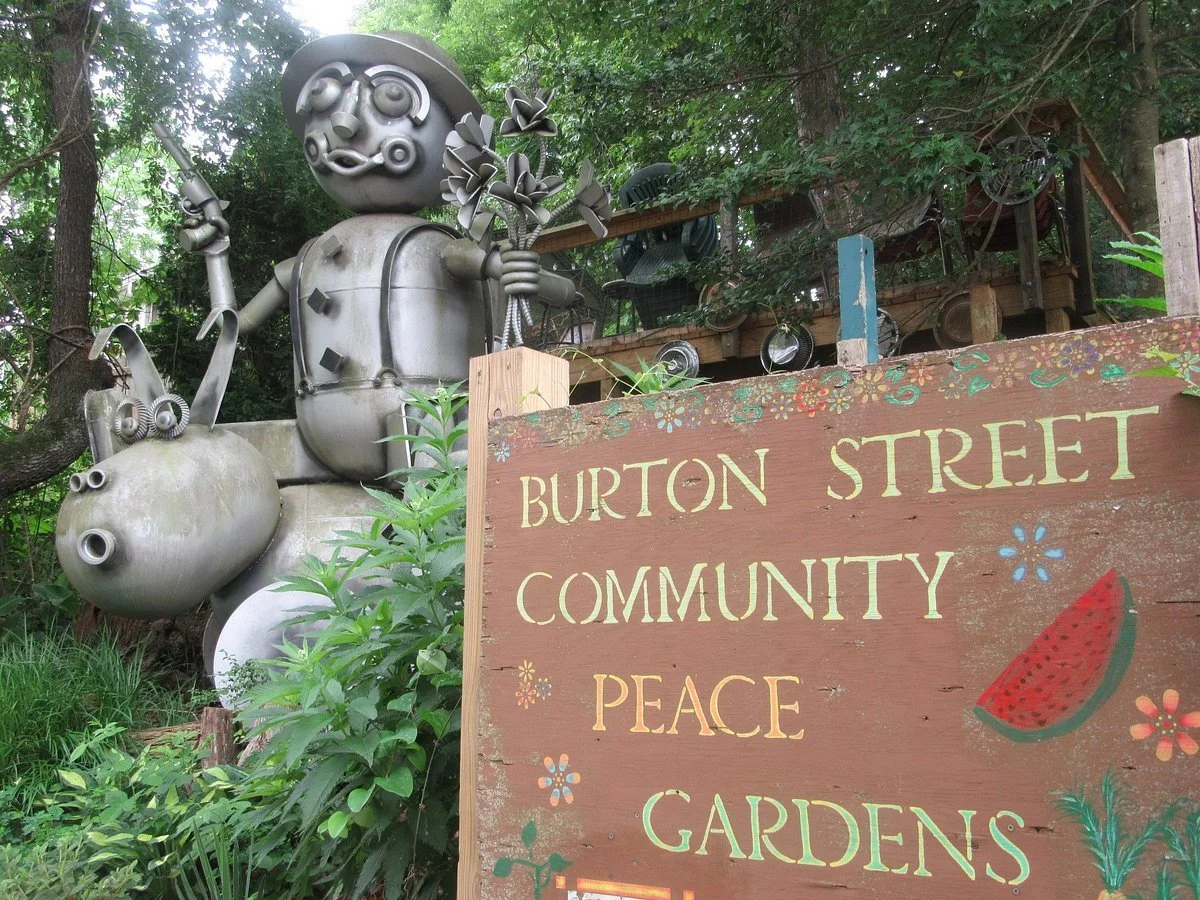
In 2003, moved by the start of the U.S. war in Iraq, Mahaba, co-founder of the nonprofit Bountiful Cities, and Barton, a Gulf War veteran, decided to act. They transformed a neglected lot into the Burton Street Peace Gardens & Market, which they called “a small counterbalance to war.”
“We picked up a lot of garbage,” Barton recalls. “After that, we wanted to create a green space that could help absorb trauma. We said, ‘Let’s share food and art and create a place where people can come outside and talk to their neighbors again.’”
The lot, once littered with bottles and needles, became a vibrant sanctuary filled with sculptures and installations Barton built from repurposed materials, metal, glass, and wood reimagined as symbols of resilience and rebirth. Over time, the Gardens grew into a community classroom, drawing youth, elders, artists, and sustainability partners to learn, heal, and connect.
Mahaba explains, “Part of the mission is teaching children about Burton Street’s legacy,” referencing E.W. Pearson, the early-20th-century Buffalo Soldier and entrepreneur who built Burton Street into a thriving Black business and agricultural district.

The Hood Huggers Ecosystem
To sustain this growing movement, Barton and Mahaba created what they call the Hood Huggers Ecosystem, an interconnected network of projects that merge creativity, sustainability, and economic opportunity.
At its center are two branches:
Hood Huggers International – the social enterprise driving earned income through cultural tourism, public art, and creative consulting.
Hood Huggers Foundation – the nonprofit arm expanding access, opportunity, and resilience through youth and workforce development.
The nonprofit and social-enterprise efforts build a cycle of learning, earning, and giving back, strengthening the roots of community well-being in Asheville and beyond. Together, they form a living model of regeneration—where the arts, environment, and enterprise feed one another to create lasting community change.
At the heart of that vision is Hood Huggers’ CAP Framework (the Community Accountability Plan), a model for revitalizing and protecting our neighborhoods through grassroots leadership, economic justice, and creative strategies. The framework centers neighborhood voices, builds cross-sector partnerships, and creates sustainable systems that heal and uplift communities from within, supporting long-term economic mobility and equity-centered entrepreneurship.
They have a shared mission and vision
Mission: To restore the grassroots regenerative well-being of communities through the arts, environment, and social enterprise.
Vision: To create a culture of sustainability that is inclusive and just, celebrating a “six months of work and six months of play” philosophy that leads to a balanced life of meaningful work, joyful rest, and shared prosperity.
Investing in Youth and Workforce Development
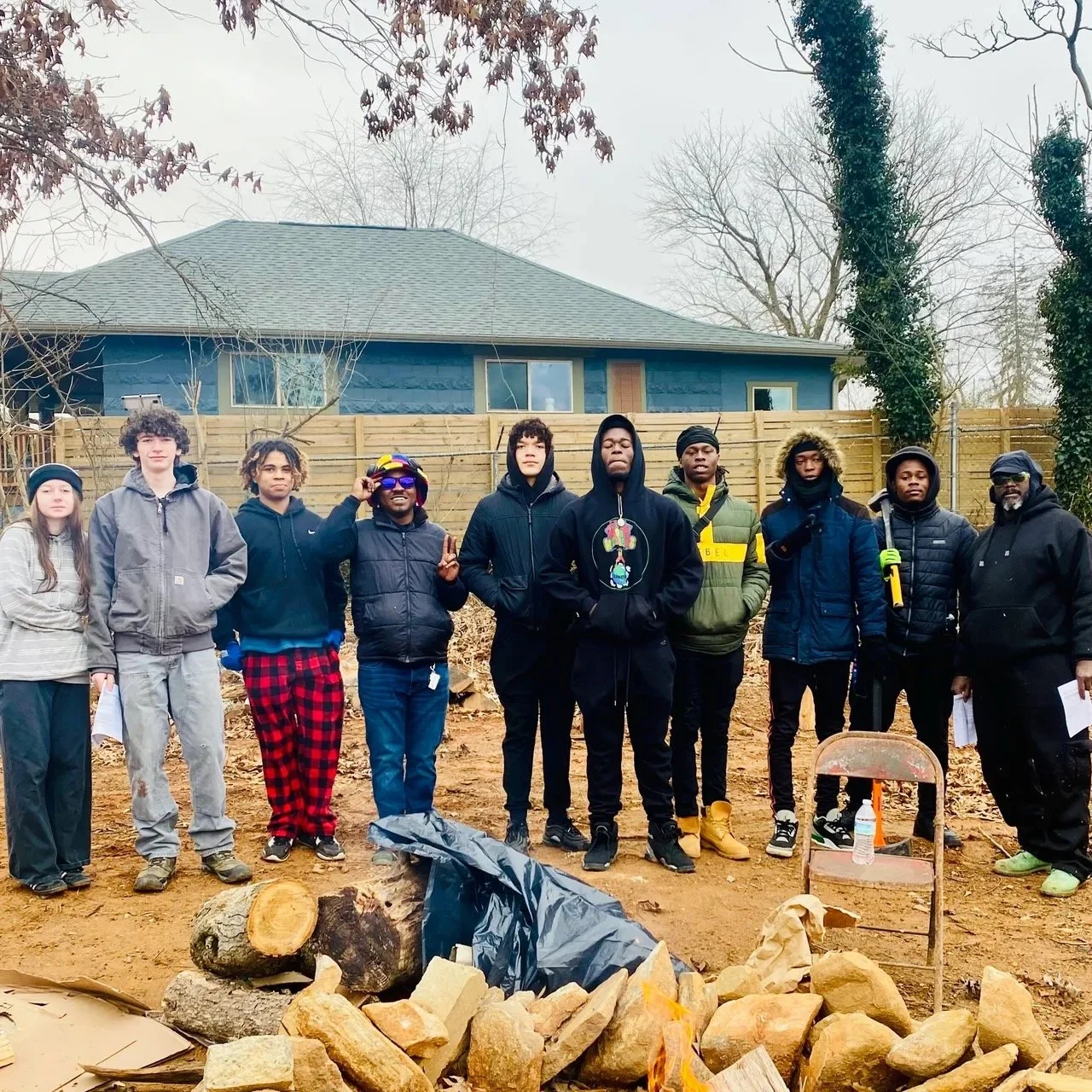
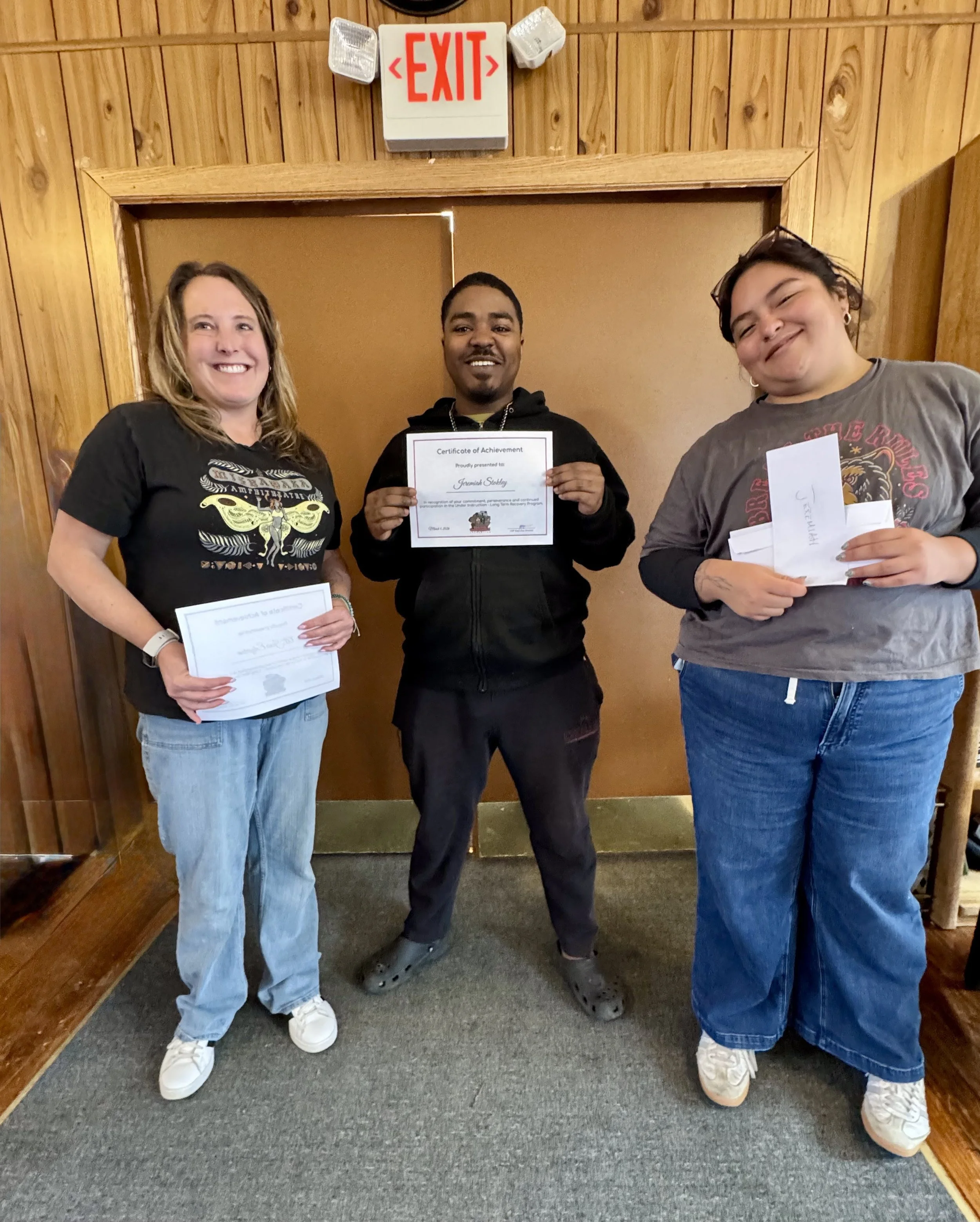
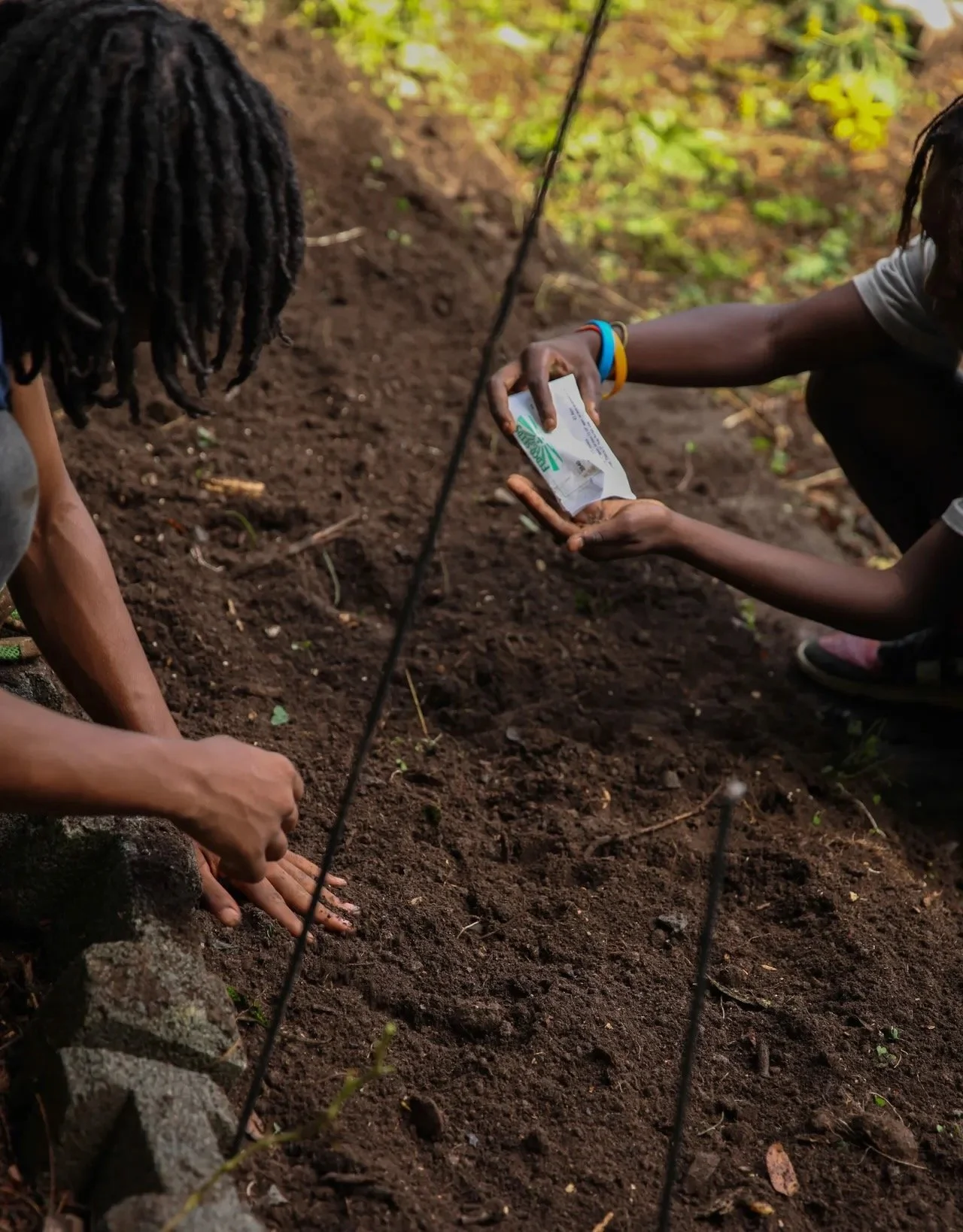
Launched in 2021, Under Instruction is a culturally aligned, trauma-informed learning program for youth ages 12–18, which now includes five interconnected youth and workforce development programs. It combines construction, urban agriculture, entrepreneurship, civic engagement, and emotional intelligence through an arts-infused curriculum. Small cohorts receive mentorship, milestone-based stipends, and wraparound support.
As Barton reminds participants, “Focus not on your obstacles, but your creative maneuvers around them.”
That philosophy defines UI, helping young people see challenges as chances for innovation and growth.
Blue Note Junction: A Living Legacy
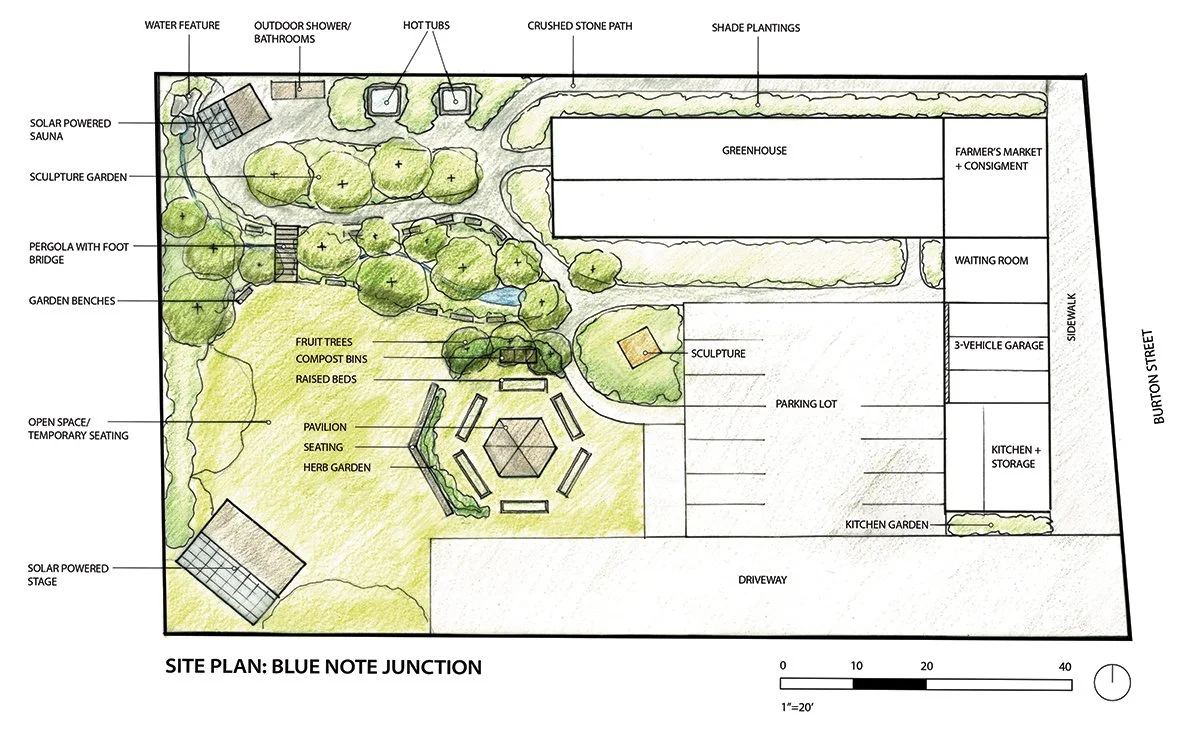
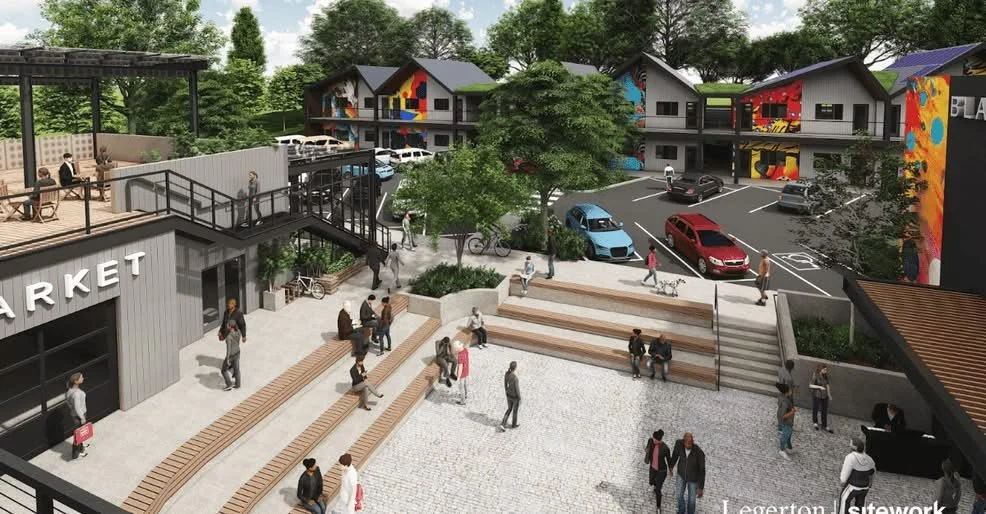
The newest project, the Hood Huggers Foundation’s Blue Note Junction, represents the culmination of two decades of neighborhood revitalization. Designed as a community health and business incubator, the 1.5-acre campus will feature a market, kitchen, theater, barbershop, greenhouse, gardens, artist village, and the home base for Hood Tours.
Named after E.W. Pearson’s historic Blue Note Casino, the site will honor the past while creating new pathways for wellness, creativity, and economic mobility. “It’s going to be a place that supports self-care as much as it promotes entrepreneurship,” Barton says.
A Movement in Bloom
The social enterprise (HHI) and the nonprofit (HHF) are separate but interdependent. HHI demonstrates what sustainable business can look like, and HHF prepares the next generation to lead it.
Through every tour, every mural, garden bed, and young person lifting a hammer at Blue Note Junction, the message rings clear: this is how we, in Barton’s words, “make justice real.”
Hood Huggers Timeline
2001 – DeWayne “B-Love” Barton returns to Asheville’s Burton Street neighborhood, inspired to rebuild community connections through art and activism.
2003 – Barton and Safi Mahaba create the Burton Street Peace Gardens & Market, transforming a neglected lot into a community gathering space for healing, creativity, and sustainability.
2015 – Launch of Hood Tours, an immersive social enterprise sharing Asheville’s Black history, resilience, and environmental justice stories while reinvesting in local neighborhoods.
2021 – Launch of Under Instruction (UI), a culturally aligned, trauma-informed youth and workforce development pipeline focused on construction, agriculture, entrepreneurship, and civic engagement.
2025 (in progress) – Development of Blue Note Junction, a 1.5-acre community health and business incubator designed to blend wellness, culture, and entrepreneurship—honoring the legacy of E.W. Pearson’s Blue Note Casino.